
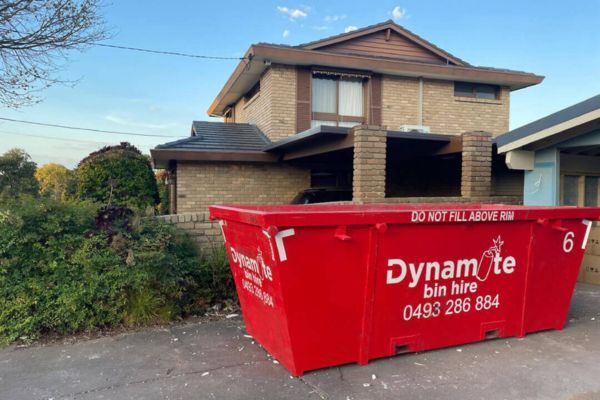
There's always that one project that generates far more rubbish than you expected. Maybe you're finally clearing out the shed that's been a dumping ground since you moved in, or you're mid-renovation and the pile of old fixtures and packaging is starting to take over the driveway. Whatever's brought you here, chances are you've landed on the same conclusion plenty of Brunswick locals reach: it's time to book a skip.
The problem is, booking one isn't always as straightforward as it should be. Between choosing a size, figuring out placement, and working out what's actually allowed inside, there's more to it than picking up the phone and saying "send me a bin." So here's what actually matters when you're sorting out skip bin hire in Brunswick.
Step One: Work Out What You're Actually Getting Rid Of
Before you even think about size, take stock of what's going in the bin. Is it mostly household junk—old furniture, boxes, general clutter? Or is it heavier material like concrete, bricks, or soil from a landscaping job? This matters because weight and volume aren't the same thing. A bin that looks huge can fill its weight limit with rubble long before it looks full, while a bin stuffed with bulky but light items like old mattresses or cardboard might hit volume capacity first. Knowing roughly what you're dealing with helps you avoid overpaying for space you don't need, or underestimating and needing a second bin halfway through.
Step Two: Pick the Right Size
As a rough guide, a 2-3 cubic metre bin handles small jobs like a single-room clean-out or minor garden waste. Step up to 4-6 cubic metres for kitchen or bathroom renovations, or a proper whole-house declutter. Bigger jobs—full renovations, construction waste, large landscaping projects—usually need 8-10 cubic metres or more. If in doubt, call the provider and describe the job in plain terms. Most experienced operators can size you up accurately without you needing to do any measuring yourself.
Step Three: Check Placement and Permits
This is the bit people often overlook. If the bin's going on your own driveway or property, you generally don't need a permit. But if there's nowhere else for it to sit and it has to go on the nature strip or road, most local councils require one. Requirements and processing times vary, so it's worth checking with the council or asking your provider—many companies handling skip bin hire Brunswick jobs regularly will already know the local rules and can point you in the right direction, or even arrange the permit on your behalf.
Step Four: Understand What Can (and Can't) Go In
General household waste, furniture, garden waste, and construction debris are typically fine, though some companies want green waste kept separate from the rest. What's usually off-limits includes asbestos, paint, chemicals, batteries, tyres, and other hazardous materials. These need specialist disposal, so if you suspect any of these might be part of your clean-out, mention it when booking rather than finding out later that your bin's been rejected.
Step Five: Time Your Booking Properly
Skip bins get booked out fast, especially around weekends and during the warmer months when everyone seems to tackle their outdoor and renovation projects at once. Booking a few days ahead rather than last minute gives you a far better chance of getting the size and delivery date you actually want, instead of settling for whatever's left.
Final Thoughts
Booking a skip doesn't need to be complicated, but a little planning goes a long way toward avoiding unnecessary costs or delays. Work out what you're disposing of, pick the right size, sort any permits early, and know what's allowed inside. Get those details right, and the rest of your clean-up or renovation tends to run a lot more smoothly than you might expect.