
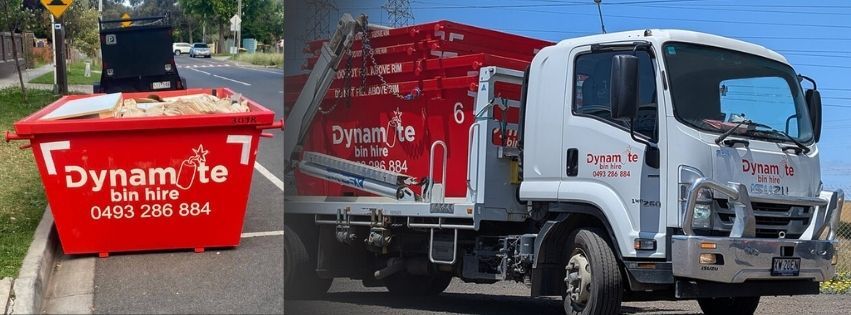
Ask anyone who's hired a skip bin hire Thomastown before, and they'll usually tell you the same thing: the hardest part isn't finding a provider or getting it delivered — it's figuring out what size to actually order. Get it wrong, and you're either paying for a second bin halfway through the job or staring at a mountain of leftover rubbish with nowhere to put it.
Thomastown, with its mix of established homes, growing industrial estates, and a steady stream of renovation and landscaping work, sees just about every kind of clean-up job imaginable. Which means there's no single "right" answer when it comes to sizing — but there is a reliable way to work it out. Let's get into it.
Why Guessing Rarely Works
It's tempting to eyeball a pile of junk and think "yeah, that'll fit in a small bin, easy." But rubbish has a funny way of expanding once you actually start loading it. Furniture doesn't stack as neatly as it looks. Broken tiles and timber offcuts take up more room than expected. And green waste, in particular, is deceptively bulky — a few trimmed shrubs can fill more space than a whole room's worth of household junk.
The safest approach isn't guessing by eye. It's thinking through the type of job, roughly how much material is involved, and matching that against typical bin sizes. Once you've done that a couple of times, it becomes second nature.
A Practical Size Guide
Here's a breakdown that tends to hold up well across most residential and light commercial jobs in Thomastown:
2–3m³ — Small Jobs
Think a single-room clear-out, a modest garden tidy-up, or general household junk that's built up over a few months. If you could fit it all in the back of a small trailer, this size is probably your sweet spot.
4–6m³ — Medium Jobs
This is the most commonly booked range, and for good reason — it covers a huge variety of jobs. Garage clean-outs, a full bathroom renovation, a decent-sized garden overhaul, or clearing out a couple of rooms during a move all tend to land comfortably in this bracket.
8m³ — Larger Renovations and Bigger Clean-Outs
If you're gutting a kitchen, tackling a multi-room renovation, or handling a substantial landscaping project with soil, bricks, and old paving involved, this size gives you the breathing room to avoid overfilling.
10–15m³ — Major Projects
Full house renovations, demolition work, or larger-scale construction and commercial clean-outs usually call for something in this range. If your project involves multiple trades working simultaneously, it's worth erring toward the bigger end.
A Few Questions That Help Narrow It Down
Rather than just picking a number off a chart, it helps to actually think through your specific job. A few questions worth asking yourself before you book:
- How many rooms or areas am I clearing? One room versus a whole house makes a big difference.
- Is there green waste involved? If so, factor in extra space — it fills up faster than people expect.
- Am I dealing with heavy materials like soil, bricks, or concrete? These often need to be considered separately due to weight limits, even if they don't look like they'd fill much volume.
- Is this a one-off clean-up or an ongoing project? Renovations that run over several weeks might benefit from a larger bin rather than needing multiple smaller deliveries.
Answering these honestly — rather than optimistically — usually points you toward the right size without much trial and error.
When in Doubt, Size Up
If you're stuck between two sizes, the general rule of thumb is to go with the larger one. The price difference between adjacent bin sizes is usually smaller than you'd think, and it's almost always cheaper than booking a second bin delivery because the first one filled up faster than expected. Nobody wants to pause a renovation halfway through because there's nowhere left to put the debris.
That said, there's no need to go overboard either. An oversized bin sitting mostly empty on your driveway for a week isn't doing you any favours cost-wise. The goal is a reasonably snug fit — enough room to comfortably finish the job, without paying for space you'll never use.
Don't Forget Weight Limits
Size and weight aren't the same thing, and this trips people up more often than you'd expect. A bin can look far from full and still hit its weight limit, particularly with dense materials like soil, tiles, bricks, or concrete. If your Thomastown clean-up involves any of these, it's worth having a specific conversation with your provider about weight allowances before you book — otherwise you might end up facing extra charges for going over, even though there was plenty of visual space left in the bin.
Mixing Waste Types Affects Sizing Too
Here's something that often gets overlooked: if you're combining general household junk with garden waste, or mixing construction debris with everyday rubbish, you may need to think about whether separate bins actually work out better than one large mixed bin. Some providers offer different rates for green waste versus general waste, and splitting the load can sometimes be more cost-effective than assuming one oversized bin covers everything.
It's a five-minute conversation with your provider that can genuinely change how you approach the whole job.
Final Thoughts
Choosing the right bin size doesn't need to be complicated, but it does benefit from a little upfront thinking rather than a rushed guess. Walk through the scope of your job, factor in weight as well as volume, and don't be afraid to size up slightly if you're unsure. Do that, and your skip bin hire ends up doing exactly what it's meant to — taking the hassle out of the clean-up, rather than adding another logistical headache to sort through halfway in.
Whether it's a weekend garden tidy-up or a full home renovation, getting the size right from the start is the difference between a smooth clean-up and a frustrating one.